



What is Ghostreader?
Ghostreader is the cheeky name for Reader’s AI-powered assistant that helps you get the most out of whatever you’re reading. This feature brings the power of LLMs into easy reach, with no need to open a new tab, switch apps, or pull out another device to get more context!
Ghostreader comes with a few default prompts that enable you to do things like quickly summarize the document, look up a word (or a term, or a character, or a location), get more details about a new concept, draft a blurb for your newsletter, discover how a word or passage translates to any language, and much more. But Reader also offers the flexibility to customize the default prompts or even create brand new ones.
On web and desktop, Ghostreader also comes in a library-wide form called Global Ghostreader. Instead of chatting with one document at a time, Global Ghostreader searches across your entire library, answers with citations that link to the source, and adds skills and tools you can put to work on your reading.
This guide will teach you how to chat with your documents, explain how each of the default prompts work, walk you through the anatomy of a prompt to help you understand how you can build your own, provide a large library of examples for you to use or get inspired by, and outline the details of the various tools you have at your disposal to incorporate your library's metadata into your custom prompts.
Looking for Ghostreader's default prompts?
Ghostreader's preset prompts live in the Chat interface on web, desktop, and mobile. On web and desktop, you can use keyboard shortcuts to access them (G for word and passage selections, shift + G for the full document). On mobile, open the Prompts dropdown in the chat sheet. Responses appear in the chat, so you can ask follow-up questions in the same place.
How to use Ghostreader's preset prompts
You can use Ghostreader on the whole document or on selections of text within the document, and the available prompt presets will vary based on these use cases. For example, if you select one to three words, you'll see options meant for smaller selections, such as dictionary define and encyclopedia lookup.
To use a preset Ghostreader prompt on the full document on web or desktop, click into the Chat tab of the right sidebar and open the Preset prompts option in the chat window, or use the keyboard shortcut Shift + G.
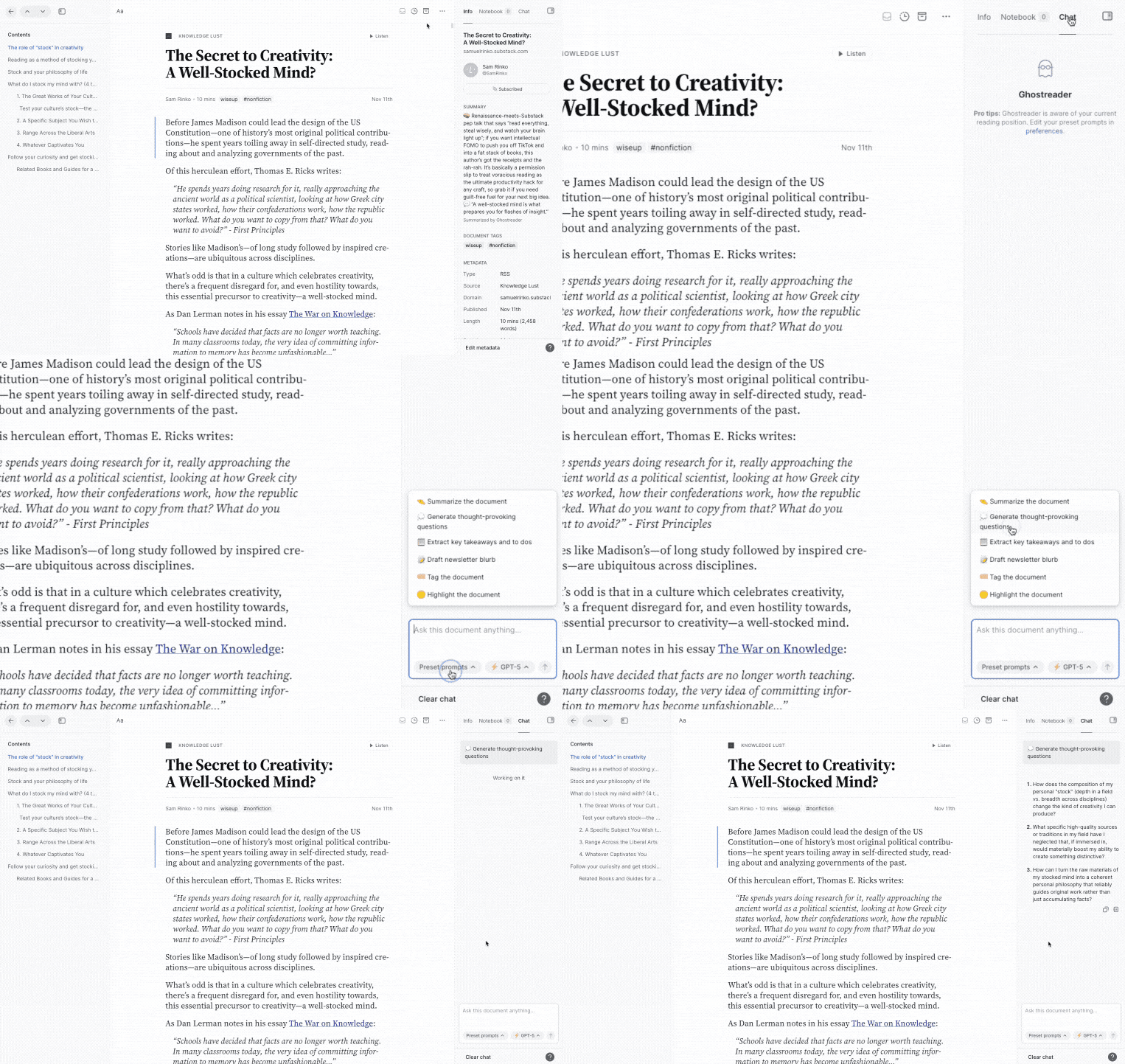
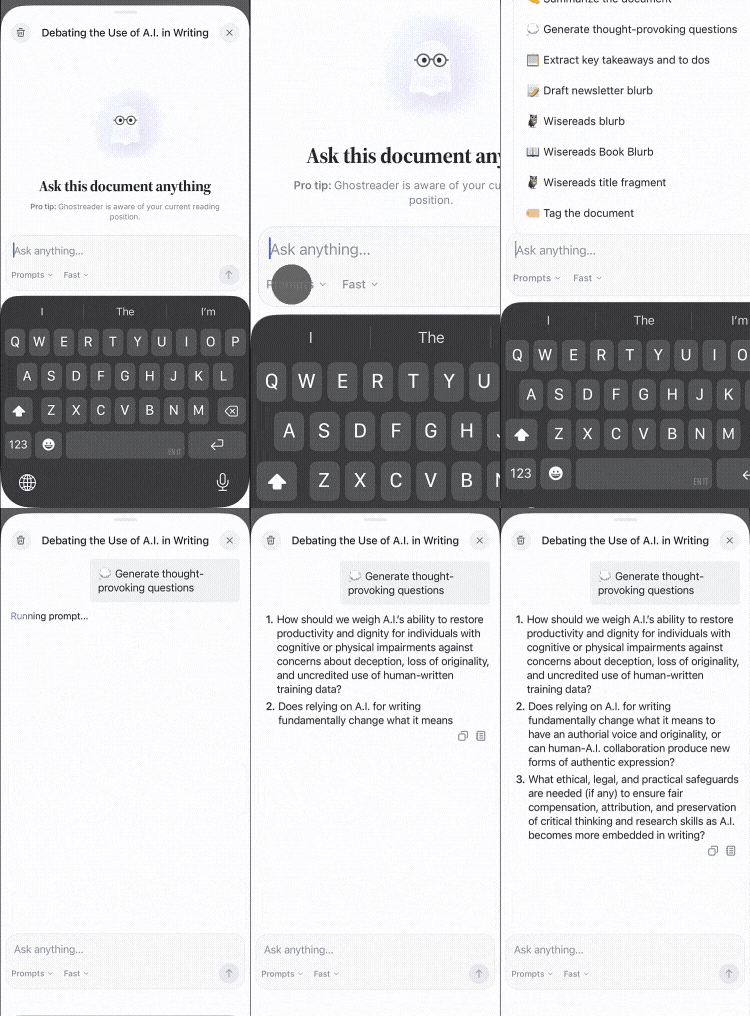
On mobile, tap the Ask anything... field in the bottom toolbar, or open the actions menu (...) in the bottom right and tap Ghostreader. The chat opens in a sheet over the document, and the Prompts dropdown at the bottom lists the document-level prompts. Responses appear right in the chat, where you can ask follow-up questions.
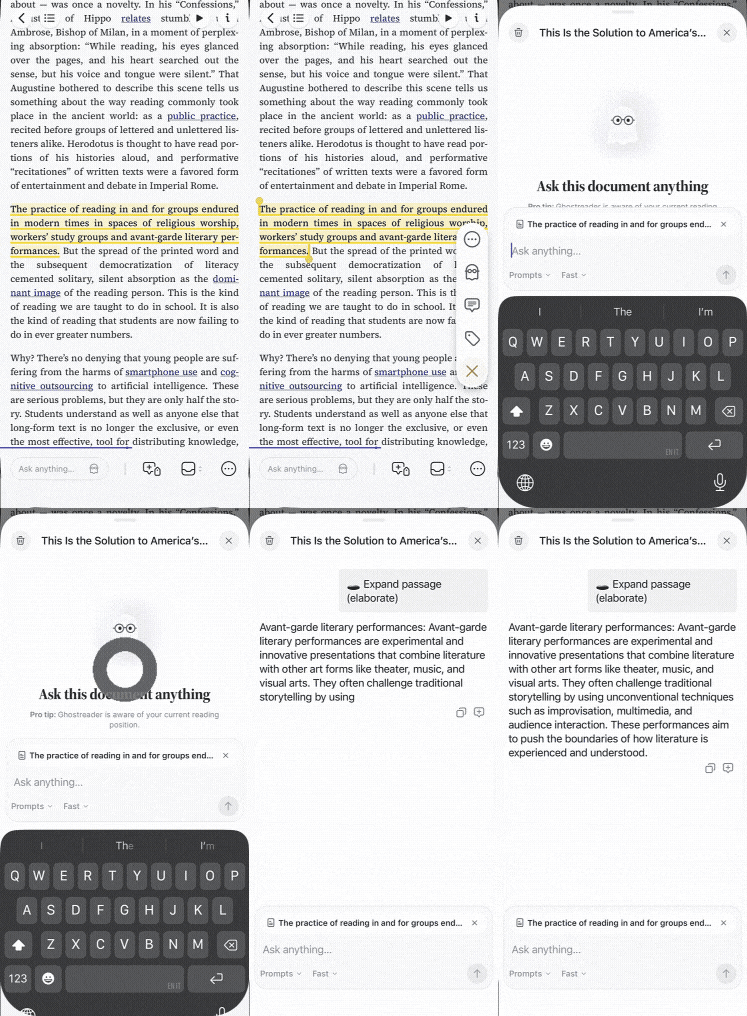
To use Ghostreader on a specific piece of content within a document, select text and choose Chat about this from the context menu on web or desktop, or use the keyboard shortcut G.
On mobile, tap the highlight and select the ghost icon in the annotation bar that appears. The chat opens with that highlight attached, and the Prompts dropdown lists the prompts for that selection.
On mobile, selecting one to three words opens the Quick Lookup panel by default. If you'd rather use Ghostreader's preset prompts, you can turn Quick Lookup off.
Learn about Ghostreader
Global Ghostreader
Chat across your whole library with cited answers, skills, and tools on web and desktop.
Chat
Learn how to chat with your document and save interesting responses.
Quick Lookup
Define, look up, or translate a word or phrase on mobile by selecting it.
Default Prompts
Explore the functionality of Reader's default prompt set.
Custom Prompts
Learn how to write your own prompts to customize Ghostreader's functionality.
Prompt Library
A collection of prompt examples, ready for use and experimentation.
Reference
All available variables and subroutines to help you customize your prompts.
Tips & Tricks
Get some handy tips for how to make the most of Ghostreader.